
Preparing for the international logistics certification practical exam can feel overwhelming at first, but with the right approach, you can tackle it confidently.
From mastering key concepts to managing your time effectively during the test, there are proven strategies that make a real difference. Many candidates overlook the importance of hands-on practice and understanding real-world logistics scenarios, which can be a game-changer.
Whether you’re new to the field or looking to sharpen your skills, knowing how to prepare smartly is essential. Let’s dive into some practical tips that will help you pass with flying colors.
Get ready to explore all the details below!
Building a Strong Foundation in Logistics Theory
Understanding Core Concepts Thoroughly
Grasping the fundamental principles of international logistics is absolutely crucial. I found that diving deep into topics like supply chain management, freight forwarding, and customs regulations helped me see the bigger picture rather than memorizing isolated facts.
When you understand how these components interconnect, solving practical problems during the exam becomes much more intuitive. Instead of just skimming through textbooks, try to relate each concept to real-world scenarios.
For instance, knowing why Incoterms matter in shipping contracts will clarify many questions about responsibilities and cost allocations. This approach not only boosts confidence but also sharpens your analytical skills, which are tested rigorously in the practical exam.
Focusing on Key Documentation and Terminology
The exam often revolves around correctly identifying and handling essential documents like bills of lading, commercial invoices, and packing lists. I remember how overwhelming it was at first to differentiate between similar terms, but creating flashcards and quiz-style reviews made a huge difference.
Pay special attention to the flow of documents in a typical international shipment, from export declaration to customs clearance. Familiarity with these documents helps you avoid careless mistakes during the test and speeds up your problem-solving process.
Also, learning the industry jargon will make the questions feel less intimidating and more like everyday tasks.
Utilizing Visual Aids and Flowcharts
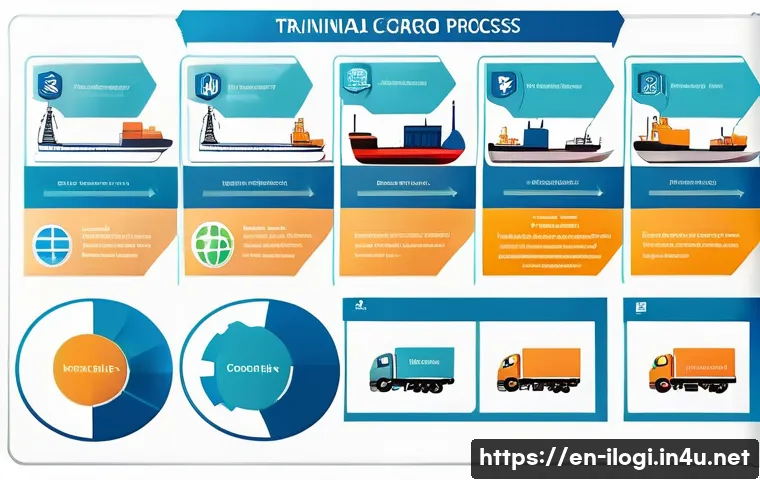
Visualizing the logistics process through diagrams and flowcharts was a game changer for me. Mapping out the steps involved in cargo handling, transportation modes, and customs procedures clarified complex sequences that are often tested.
These visual aids also serve as excellent revision tools just before the exam. You can quickly recall the chain of operations or pinpoint where delays might occur in a shipment.
Try drawing your own charts or finding reliable ones online to reinforce your understanding. This method taps into spatial memory, which tends to be more durable under exam pressure than rote memorization.
Mastering Time Management Techniques During the Exam
Allocating Time According to Question Weight
One of the biggest challenges I faced was pacing myself properly across the exam sections. Some questions carry more weight or require longer calculations, so it’s smart to identify these early on.
Skimming through the entire paper at the start to gauge question difficulty helped me decide where to spend more time. For instance, if a question involves complex customs valuation, I’d allocate extra minutes there and breeze through simpler ones like multiple-choice.
This strategy prevents getting stuck on tough questions and losing precious time for easier marks.
Developing Quick Calculation and Estimation Skills
Since many practical problems involve numerical data, sharpening your mental math and estimation abilities is vital. Practicing common formulas for freight charges, duty calculations, and lead times until they become second nature can save you minutes during the exam.
I found that using approximation techniques when exact numbers weren’t required helped me move faster without sacrificing accuracy. Keeping a small formula sheet or creating mnemonic devices for calculations can also reduce the cognitive load and keep you focused on problem-solving rather than arithmetic.
Staying Calm and Focused Under Pressure
Exam stress can be a major barrier to efficient time use. I experienced moments where anxiety slowed me down, but developing simple breathing exercises and positive self-talk helped me regain composure quickly.
Remember, it’s better to move steadily and confidently than to rush and make careless errors. Taking brief mental breaks between sections to stretch or relax your eyes also improves concentration.
Practicing under timed conditions beforehand familiarizes you with the pressure and builds resilience, so try simulating exam day as closely as possible during your study sessions.
Applying Hands-On Practice with Real-World Scenarios
Engaging with Case Studies and Simulation Exercises
Nothing beats practical experience when preparing for the logistics certification exam. I highly recommend working through case studies that mimic actual shipment challenges, such as navigating customs delays or optimizing transport routes.
These scenarios help you apply theoretical knowledge and expose gaps in understanding that might not be obvious from textbook study alone. Many online platforms and training courses offer interactive simulations where you can make decisions and see their consequences, which was invaluable for me.
This kind of active learning builds confidence and sharpens problem-solving skills relevant to the practical exam.
Networking with Industry Professionals
Talking to people who work in international logistics can provide insights that no textbook covers. I reached out to a few professionals through LinkedIn and local trade groups, and their firsthand stories about daily operations, common pitfalls, and exam tips were incredibly helpful.
They often shared practical advice on how to handle tricky questions based on their experience, which gave me a real edge. If you can, attend webinars or join forums where you can ask questions and exchange knowledge.
This interaction adds a layer of understanding about industry standards and trends that enriches your preparation.
Keeping Up with Current Trends and Regulations
International logistics is a dynamic field, and exam content can reflect recent changes in trade policies, technology, or compliance requirements. I made it a habit to follow news updates from reliable sources and subscribe to newsletters focused on global shipping and customs.
This habit not only helped me answer scenario-based questions that referenced new regulations but also made me feel more connected to the industry as a whole.
Staying current ensures your answers are relevant and accurate, which is critical for passing the practical exam with confidence.
Utilizing Effective Study Resources and Tools
Choosing the Right Study Materials
Selecting quality study guides, practice tests, and reference books tailored to your certification program is essential. I learned that not all materials are created equal; some focus too much on theory while others lack practical examples.
Combining official manuals with supplementary resources like online video tutorials or industry blogs gave me a balanced perspective. Also, look for materials that include practice questions with detailed explanations.
These help you understand the rationale behind correct answers and avoid common pitfalls. Investing in up-to-date, well-reviewed resources saves time and improves study efficiency.
Leveraging Digital Apps and Flashcards
Incorporating technology into your study routine makes a huge difference. I used flashcard apps to memorize key terms and formulas during commute times or breaks.
There are also specialized logistics simulation apps that allow you to practice customs documentation and shipment tracking in a virtual environment. These interactive tools keep learning engaging and help reinforce memory retention.

Additionally, scheduling apps can organize your study plan, ensuring you cover all topics systematically without last-minute cramming. The convenience and flexibility of digital resources enhance consistency and motivation.
Forming Study Groups for Collaborative Learning
Studying with peers can provide support, diverse perspectives, and accountability. I joined a small study group where we discussed challenging questions, shared tips, and quizzed each other.
This interaction helped clarify doubts quickly and exposed me to different problem-solving approaches. Group study also simulates real-life teamwork often required in logistics roles, preparing you for the collaborative nature of the profession.
If in-person groups aren’t an option, online forums or video calls work just as well. Just make sure the group stays focused and productive to maximize benefits.
Developing Practical Skills for Exam Scenarios
Mastering Customs Clearance Procedures
Customs clearance is a frequent topic in practical exams, and understanding each step from document submission to duty payment is vital. I practiced by reviewing actual customs forms and imagining how to fill them out correctly under exam conditions.
Recognizing common errors and learning how to troubleshoot delays helped me anticipate tricky questions. It’s also important to know the roles of different agencies and how international agreements affect clearance times.
Hands-on familiarity with these procedures makes answering related questions more straightforward and less stressful.
Optimizing Freight and Transportation Planning
Exam scenarios often require calculating optimal shipping routes, modes of transport, and cost considerations. I used case problems to practice balancing time efficiency against budget constraints, a skill highly valued in the logistics field.
Understanding how to evaluate factors like cargo type, distance, and customs regulations when planning shipments was key. I found that creating decision trees or comparison tables helped visualize options and outcomes clearly.
This approach not only aids exam success but is directly applicable to everyday logistics challenges.
Handling Inventory and Warehouse Management Tasks
Inventory control and warehouse operations frequently appear in practical questions. Being able to interpret stock levels, reorder points, and storage requirements is essential.
I worked on exercises that involved calculating inventory turnover and managing space allocation effectively. Learning how warehouse management systems (WMS) work gave me an edge in understanding automation and efficiency improvements.
Practical knowledge in this area ensures you can tackle questions about order fulfillment and inventory accuracy confidently.
Tracking Progress and Adjusting Your Study Plan
Regular Self-Assessment and Mock Exams
Testing yourself periodically is one of the best ways to gauge your readiness. I scheduled full-length mock exams under timed conditions every couple of weeks to simulate the real test environment.
Reviewing mistakes carefully helped me identify weak areas and adjust my study focus accordingly. It’s tempting to ignore challenging topics, but targeted practice in those areas made a significant difference in my final score.
Mock exams also reduce anxiety by making the test format familiar and manageable.
Keeping a Study Journal for Reflection
Writing down daily study goals, challenges, and breakthroughs creates a powerful feedback loop. I found that reflecting on what I learned each day helped reinforce concepts and track progress over time.
When motivation dipped, looking back at previous entries reminded me how far I had come. This habit also made it easier to spot patterns, such as topics that consistently required extra attention.
A study journal is a personal tool that keeps you organized and mentally engaged throughout your preparation journey.
Adapting Techniques Based on Feedback
Be open to changing your study methods if something isn’t working. Early on, I realized that passive reading wasn’t enough; I needed more active practice and discussion.
Listening to feedback from instructors or peers about my problem-solving approach was invaluable. Sometimes, a small tweak—like switching from solo study to group sessions or using more visual aids—can dramatically improve results.
Flexibility and willingness to experiment with strategies ensure your preparation stays effective and aligned with your learning style.
| Preparation Aspect | Recommended Strategy | Benefits |
|---|---|---|
| Core Concepts | Relate theory to real-world logistics | Better understanding, intuitive problem-solving |
| Time Management | Skim exam, allocate time by difficulty | Efficient pacing, maximized scoring |
| Hands-On Practice | Work through case studies and simulations | Improved application skills, confidence |
| Study Resources | Use balanced materials and digital tools | Comprehensive knowledge, engaging study |
| Practical Skills | Practice customs, freight, and inventory tasks | Realistic readiness, reduced exam stress |
| Progress Tracking | Regular mock exams and journaling | Identifies weaknesses, boosts motivation |
In Closing
Building a solid foundation in logistics theory combined with hands-on practice truly makes a difference in exam performance. By managing your time wisely and using effective study tools, you can approach the test with confidence and clarity. Remember, consistency and real-world application are key to mastering both the theory and practical aspects. Stay curious and keep adapting your strategies as you progress.
Useful Tips to Keep in Mind
1. Break down complex logistics concepts by relating them to everyday shipping scenarios to enhance understanding.
2. Prioritize exam questions by difficulty and allocate your time accordingly for maximum efficiency.
3. Use visual aids like flowcharts to reinforce memory and simplify complicated processes under pressure.
4. Engage with professionals and join study groups to gain practical insights and diverse perspectives.
5. Regularly assess your progress through mock exams and adapt your study methods based on what works best for you.
Key Takeaways
Success in logistics certification hinges on a balanced approach that blends theory with real-world practice. Time management during the exam is just as important as mastering the content. Leveraging quality study materials and interactive tools boosts retention and confidence. Staying current with industry trends ensures your knowledge is relevant and practical. Finally, reflecting on your progress and being flexible with your study techniques keeps your preparation effective and aligned with your personal learning style.
Frequently Asked Questions (FAQ) 📖
Q: What are the most effective ways to prepare for the practical part of the international logistics certification exam?
A: From my experience, the key is to combine theoretical knowledge with hands-on practice. Make sure you thoroughly understand core concepts like supply chain management, customs regulations, and transportation logistics.
Then, simulate real-world scenarios—like planning shipments or solving logistics problems under time constraints—to build confidence. Using case studies or interactive software tools can also help bridge the gap between theory and practice.
This approach not only boosts your understanding but also prepares you for the problem-solving aspect of the exam.
Q: How can I manage my time efficiently during the practical exam?
A: Time management is crucial, especially when dealing with complex logistics tasks. I found it helpful to quickly scan all questions first and allocate time based on difficulty and point value.
Don’t get stuck on a single problem; if you’re unsure, move on and come back later. Practicing under timed conditions before the exam was a game-changer for me—it helped reduce anxiety and improve pacing.
Also, keep an eye on the clock and leave a buffer at the end to review your answers for any mistakes.
Q: What common mistakes should I avoid when preparing for the international logistics certification practical exam?
A: One common pitfall is neglecting the practical application of logistics concepts. Many candidates focus heavily on memorizing facts but overlook how to apply them in real situations.
Another mistake is underestimating the importance of understanding current industry tools and software—being familiar with these can set you apart. Lastly, don’t ignore the value of reviewing past exam questions or practice tests; they reveal the exam’s pattern and help you adapt your strategies accordingly.
From my perspective, balancing study with practical exercises and staying updated on industry trends is the way to succeed.