
In today’s fast-paced global economy, the role of an international logistics specialist has never been more crucial. From navigating complex supply chains disrupted by recent geopolitical shifts to adapting cutting-edge technology for seamless operations, these professionals face unique challenges daily.
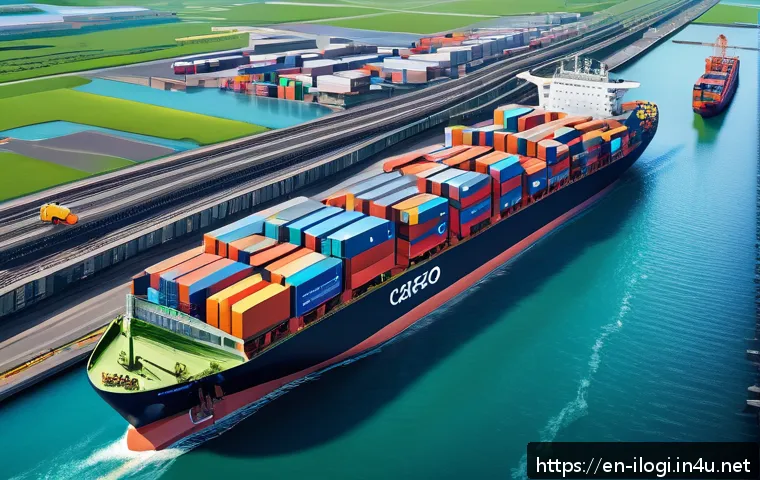
If you’ve ever wondered what it takes to keep goods moving across continents without a hitch, you’re in the right place. Join me as we explore the dynamic world behind the scenes, uncovering strategies, real-life hurdles, and inspiring success stories that highlight this vital career.
Stick around—you might just discover insights that change how you see global trade forever.
Mastering the Art of Supply Chain Coordination
Understanding Complex Network Dynamics
Navigating the intricate web of suppliers, manufacturers, and distributors requires a deep understanding of how each link in the supply chain affects the others.
An international logistics specialist must constantly monitor shifting variables such as production delays, customs regulations, and transportation bottlenecks.
From my experience, the most successful professionals develop a knack for predicting ripple effects before they occur, allowing them to adjust plans proactively rather than reactively.
This foresight transforms potential chaos into smooth flow, making global trade appear effortless even when behind the scenes it’s a delicate balancing act.
Real-Time Problem Solving on a Global Scale
Every day brings unexpected challenges—whether it’s a last-minute port closure or a sudden change in tariff policies—that demand swift and effective responses.
I’ve found that having a solid contingency plan paired with strong communication skills is key. Coordinating with teams across multiple time zones and languages can be exhausting, but it’s also what makes this role so dynamic.
Instead of rigidly sticking to a plan, flexibility and quick thinking are what keep goods moving. It’s like being the conductor of a complex orchestra, where timing and harmony are everything.
Leveraging Technology for Seamless Operations
Modern logistics wouldn’t be possible without technology. From AI-driven demand forecasting to blockchain for enhanced transparency, international logistics specialists are at the forefront of adopting innovations that streamline processes.
Personally, implementing advanced tracking systems has been a game changer, not just for efficiency but for building trust with clients who demand real-time updates.
The integration of digital tools allows for precise inventory management, automated documentation, and quicker problem resolution—turning what used to be guesswork into data-driven decision making.
Decoding Regulatory Landscapes and Compliance
Staying Ahead of Ever-Changing Customs Regulations
One of the toughest parts of the job is keeping up with the constantly evolving customs laws across different countries. What worked last month might lead to costly delays this month.
In my journey as a logistics specialist, I’ve learned that building relationships with customs officials and staying informed through trusted channels is invaluable.
When you understand the nuances of each region’s policies, you can better anticipate issues and prepare documentation accordingly. This proactive approach saves time and prevents shipments from getting stuck in bureaucratic limbo.
Mitigating Risks with Accurate Documentation
A single missing form or misfiled invoice can halt an entire shipment, costing both time and money. That’s why meticulous attention to detail is non-negotiable in international logistics.
I always double-check paperwork and use digital document management systems to reduce human error. Training teams to understand the importance of compliance is another critical step—everyone needs to be on the same page.
The smoother the documentation flow, the fewer headaches at checkpoints and the faster goods reach their destination.
Adapting to Trade Policy Shifts
Trade wars, tariffs, and sanctions are no longer rare occurrences; they’re part of the new normal. I’ve seen firsthand how sudden policy changes can disrupt supply chains, forcing quick rerouting or renegotiation of contracts.
Staying informed through reliable economic and political analysis helps anticipate these shifts. When a new tariff hits, being able to pivot and find alternative suppliers or routes can save a company millions.
It’s a high-stakes chess game, and the best logistics specialists think several moves ahead.
Optimizing Transportation and Distribution Networks
Choosing the Right Mode of Transport
Deciding whether to ship by air, sea, rail, or road involves more than just cost considerations. Factors like delivery speed, cargo type, and environmental impact all play a role.
I’ve managed projects where balancing these factors meant the difference between meeting a critical deadline or missing it entirely. For example, air freight is faster but expensive, while ocean freight is cheaper but slower and more susceptible to delays.
Understanding the trade-offs and negotiating with carriers to secure the best rates requires both analytical skills and a network of trusted partners.
Route Planning for Efficiency and Cost Savings
Crafting the optimal route isn’t just about the shortest distance. It involves analyzing multiple variables such as geopolitical stability, port congestion, and even weather patterns.
In one case, I rerouted shipments to avoid a politically unstable region, which initially seemed longer but ultimately reduced delays and saved costs.
These decisions rely on a deep knowledge of global logistics hubs and the ability to anticipate potential disruptions. Using route optimization software alongside human insight creates the best outcomes.
Managing Warehousing and Inventory Flow
Warehousing isn’t just about storage—it’s about timing and accessibility. Effective inventory management means coordinating inbound shipments with outbound deliveries to minimize holding costs and prevent stockouts.
I’ve worked with clients to implement just-in-time inventory models that cut waste and improve cash flow. Technology again plays a big role here, with warehouse management systems providing real-time data that helps adjust stock levels dynamically.
Getting this balance right can be the secret to a smooth supply chain and satisfied customers.
Building Strong Relationships with Global Partners
Negotiation and Collaboration Skills
International logistics is as much about people as it is about processes. Negotiating terms with suppliers, freight forwarders, and customs agents requires tact, cultural awareness, and persistence.
I’ve found that investing time in building trust with partners pays dividends when unexpected issues arise. Open communication channels help resolve conflicts faster and foster collaboration that goes beyond simple transactions.
This human element often makes the difference between a good logistics operation and a great one.

Overcoming Language and Cultural Barriers
Dealing with partners from diverse backgrounds means navigating language differences and varying business customs. In my experience, being culturally sensitive and sometimes learning key phrases in another language can build rapport and ease negotiations.
Understanding local holidays, work hours, and etiquette prevents misunderstandings that might otherwise cause delays. The more you appreciate these nuances, the smoother your global interactions become, turning challenges into opportunities for stronger alliances.
Leveraging Networks for Problem Resolution
Sometimes, problems require calling in favors or tapping into extended networks. Whether it’s expediting a shipment stuck in customs or finding alternative suppliers during shortages, having a broad and reliable contact base is invaluable.
Over the years, I’ve developed relationships not only with direct partners but also with industry experts, consultants, and even competitors. This web of connections often leads to creative solutions and insider information that can make or break a logistics operation.
Harnessing Data Analytics to Drive Decisions
Tracking Performance Metrics
Data isn’t just numbers on a screen—it’s the heartbeat of a successful logistics operation. Monitoring key performance indicators like delivery times, cost per shipment, and error rates reveals patterns that inform smarter decisions.
I remember implementing a dashboard system that provided real-time insights, which helped identify bottlenecks before they escalated. This kind of transparency fosters accountability across teams and ensures continuous improvement.
Forecasting Demand and Capacity Planning
Accurate forecasting is critical to avoid underutilized assets or missed opportunities. Using historical data combined with market trends allows for better predictions of shipping volumes and resource needs.
I’ve personally used predictive analytics to adjust staffing levels at warehouses and optimize fleet deployment, which improved efficiency and reduced overtime costs.
When done right, forecasting turns logistics from reactive to proactive, giving companies a competitive edge.
Enhancing Customer Experience through Data
Customers today expect visibility and reliability. Sharing shipment tracking and timely updates powered by data analytics improves satisfaction and trust.
I’ve seen how providing clients with detailed insights into their orders’ progress reduces inquiries and builds loyalty. Moreover, analyzing customer feedback helps tailor services to meet evolving demands.
Data-driven approaches don’t just optimize operations; they deepen relationships.
Innovating for Sustainability in Global Logistics
Implementing Green Transportation Practices
Sustainability isn’t just a buzzword—it’s becoming a business imperative. I’ve been part of initiatives to reduce carbon footprints by choosing eco-friendly shipping options and optimizing load capacities to minimize trips.
Switching to electric vehicles for last-mile deliveries and investing in fuel-efficient vessels are other strategies gaining traction. These efforts not only protect the planet but often lead to cost savings and enhanced brand reputation.
Waste Reduction and Circular Supply Chains
Reducing packaging waste and promoting reuse within supply chains is a growing focus area. In one project, introducing returnable containers for shipments reduced disposable material use significantly.
This approach also involves partnering with suppliers who prioritize sustainable practices. The circular supply chain model is complex but rewarding, aligning logistics operations with broader corporate social responsibility goals.
Reporting and Compliance with Environmental Standards
Meeting international environmental regulations requires meticulous reporting and adherence to standards. I’ve navigated certifications like ISO 14001 and carbon reporting frameworks to ensure compliance.
Transparency in environmental impact not only meets legal requirements but also appeals to eco-conscious customers and investors. Staying ahead in this arena demands continuous learning and adaptation to new policies and technologies.
| Aspect | Key Considerations | Typical Challenges | Effective Strategies |
|---|---|---|---|
| Supply Chain Coordination | Network complexity, timing, communication | Delays, misalignment, lack of visibility | Proactive monitoring, contingency planning, tech use |
| Regulatory Compliance | Customs laws, documentation, trade policies | Shipment holds, fines, legal risks | Up-to-date knowledge, thorough paperwork, strong relationships |
| Transportation Optimization | Mode selection, route planning, inventory timing | Cost overruns, delays, stock imbalances | Data analysis, flexible routing, just-in-time inventory |
| Partner Relations | Negotiation, cultural sensitivity, network building | Miscommunication, mistrust, slow problem resolution | Trust-building, language skills, expanded contacts |
| Data Analytics | Performance metrics, forecasting, customer insights | Poor decisions, inefficiency, low satisfaction | Real-time dashboards, predictive tools, feedback loops |
| Sustainability | Green transport, waste reduction, environmental compliance | Regulatory penalties, reputational risks | Eco-friendly tech, circular models, certifications |
In Conclusion
Mastering supply chain coordination demands a blend of foresight, adaptability, and strong communication. Leveraging technology and building reliable partnerships are essential to navigating today’s complex global logistics landscape. By staying proactive and data-driven, professionals can turn challenges into opportunities and ensure smooth, efficient operations. Ultimately, success in this field comes from balancing people, processes, and innovation with a strategic mindset.
Helpful Insights
1. Always anticipate disruptions by monitoring global variables and maintaining flexible contingency plans.
2. Prioritize clear and compliant documentation to avoid costly delays and legal complications.
3. Use technology like AI and data analytics to optimize routing, inventory, and customer communication.
4. Cultivate strong relationships with partners, embracing cultural differences to enhance collaboration.
5. Embrace sustainable practices to reduce environmental impact while improving cost efficiency and brand reputation.
Key Takeaways
Effective supply chain management hinges on proactive coordination, regulatory awareness, and strategic transportation planning. Building trust with global partners and harnessing data analytics elevates operational performance. Moreover, integrating sustainability into logistics is no longer optional but a vital component for long-term success. By combining expertise with innovation and cultural sensitivity, logistics professionals can drive resilient and efficient supply chains in today’s dynamic marketplace.
Frequently Asked Questions (FAQ) 📖
Q: uestionsQ1: What skills are essential for an international logistics specialist to succeed in today’s global market?
A: To thrive as an international logistics specialist, you need a blend of analytical skills, cultural awareness, and adaptability. Strong problem-solving abilities help tackle unexpected disruptions like port closures or customs delays.
Being tech-savvy is crucial since modern logistics relies heavily on software for tracking shipments and optimizing routes. Communication skills are equally important because coordinating with suppliers, carriers, and customs officials across different countries requires clarity and diplomacy.
From my experience, those who embrace continuous learning and stay updated on global trade regulations often outperform others.
Q: How do geopolitical events impact global supply chains, and how do logistics specialists manage these challenges?
A: Geopolitical events such as trade wars, sanctions, or political unrest can create sudden bottlenecks, rerouting shipments or increasing costs. Logistics specialists stay ahead by closely monitoring news and government policies, then quickly adjusting shipping plans or finding alternative routes.
For example, when certain ports face restrictions, rerouting through neighboring countries or shifting to air freight might be necessary. In my work, flexibility and proactive communication with partners have been key to minimizing delays and keeping goods moving despite these unpredictable changes.
Q: What role does technology play in enhancing the efficiency of international logistics operations?
A: Technology is a game-changer in international logistics, offering real-time visibility, automation, and data-driven decision-making. Tools like GPS tracking, blockchain for secure documentation, and AI-powered demand forecasting help streamline operations and reduce errors.
I’ve seen firsthand how integrating these technologies cuts down lead times and improves customer satisfaction by providing accurate delivery estimates.
While technology can’t eliminate every challenge, it empowers specialists to respond faster and smarter, turning complex supply chains into well-oiled machines.