As supply chains face unprecedented challenges, robotics is stepping in to transform the way goods move around the world. From warehouse automation to last-mile delivery, intelligent machines are reshaping logistics with speed and precision.
If you’ve ever wondered how the future of shipping and inventory management looks, you’re about to discover a revolution powered by cutting-edge technology.
Join me as we explore how robotics is not just a trend but a game-changer for global supply networks, making operations smarter, faster, and more reliable than ever before.
This shift promises exciting opportunities and challenges that every business should be ready to embrace.
Revolutionizing Warehouse Efficiency with Autonomous Robotics
Seamless Integration of Automated Guided Vehicles (AGVs)
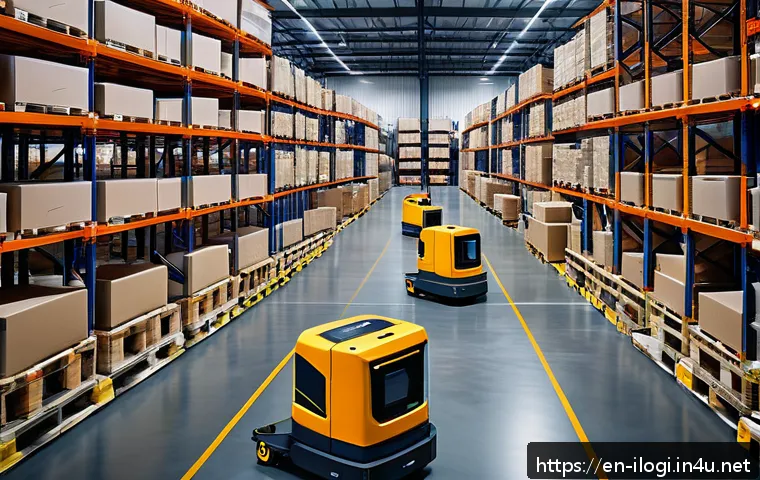
Automated Guided Vehicles have become the backbone of modern warehouses, effortlessly navigating complex layouts to transport goods from one point to another.
From my experience visiting several fulfillment centers, I noticed how these AGVs not only reduce human error but significantly cut down transit times inside warehouses.
Unlike traditional forklifts, AGVs can work around the clock without breaks, boosting productivity and lowering labor costs. Moreover, their ability to sync with warehouse management systems means inventory updates happen in real-time, enhancing order accuracy and stock visibility.
This seamless integration transforms chaotic storage spaces into highly organized, efficient hubs.
Robotic Arms Enhancing Packing and Sorting Processes
Robotic arms are no longer confined to assembly lines; they have found a vital role in logistics for tasks such as packing, sorting, and palletizing. I’ve observed how these robots use advanced sensors and AI-driven vision systems to identify and handle items of varying shapes and sizes with remarkable precision.
This precision is especially crucial during peak seasons when the volume of shipments skyrockets. Unlike human workers who may tire or lose focus, robotic arms maintain consistent speed and accuracy, reducing damages and returns.
The ability to customize grip strength and movement patterns allows these robots to handle fragile goods safely, ensuring customer satisfaction.
Real-Time Data Analytics for Proactive Warehouse Management
The real power of robotics in warehouses extends beyond physical automation—it’s about the data they generate and utilize. Intelligent robots continuously feed detailed operational data into centralized platforms, enabling managers to predict bottlenecks and optimize workflows proactively.
From my conversations with supply chain experts, it’s clear that this shift toward data-driven decision-making has improved inventory turnover rates and minimized downtime.
Predictive maintenance alerts triggered by robot sensors prevent unexpected breakdowns, which can otherwise halt entire operations. This continuous feedback loop creates a dynamic environment where warehouses adapt swiftly to changing demands.
Enhancing Last-Mile Delivery through Smart Robotics
Autonomous Delivery Vehicles Navigating Urban Landscapes
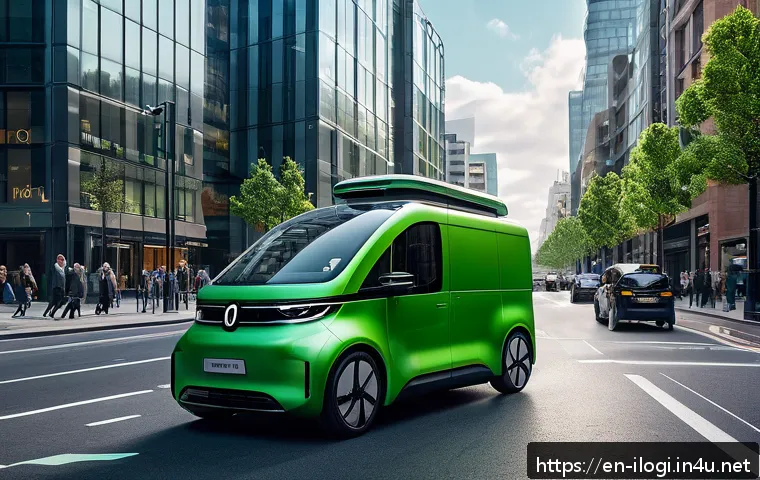
Last-mile delivery has always been the most challenging and costly part of the supply chain, but autonomous delivery vehicles are changing the game. I recently followed a pilot program where self-driving vans navigated busy city streets, managing traffic and pedestrian interactions without human intervention.
These vehicles leverage a combination of LIDAR, GPS, and AI algorithms to make split-second decisions, ensuring packages reach customers faster and more reliably.
Beyond speed, the environmental benefits are significant as many of these vehicles are electric, reducing urban emissions and noise pollution.
Robotic Parcel Lockers and Smart Drop-Off Points
Another fascinating development I’ve encountered is the rise of robotic parcel lockers that offer contactless, secure delivery options. These lockers are strategically placed in neighborhoods and commercial areas, allowing customers to pick up packages at their convenience.
What impressed me was the integration of AI-powered inventory tracking that informs both customers and delivery services of parcel status in real-time.
This system reduces failed delivery attempts, a major headache for logistics companies, and enhances customer experience by providing flexibility and security.
Drones Taking Flight for Rapid Delivery
Drone technology is quickly becoming a viable solution for rapid delivery, especially in hard-to-reach or congested areas. Watching drones zip through the air, dropping off small parcels, feels like witnessing a glimpse of the future.
The precision and speed drones offer can dramatically shrink delivery windows, making same-day or even one-hour deliveries achievable. Of course, regulatory hurdles and payload limitations still exist, but ongoing trials show promising results.
In rural or disaster-stricken regions, drones also offer a lifeline for urgent medical supplies, demonstrating the humanitarian potential of robotics in logistics.
Optimizing Inventory Management with Intelligent Systems
AI-Powered Demand Forecasting and Stock Replenishment
Managing inventory has always been a balancing act, but AI-driven forecasting tools integrated with robotics are shifting that balance toward efficiency.
From my experience consulting with retail warehouses, these systems analyze historical sales data, seasonal trends, and external factors like market shifts or weather patterns to predict demand with impressive accuracy.
When combined with robotic picking and restocking systems, this ensures shelves are replenished just in time, reducing overstock and stockouts. This level of precision not only cuts costs but also improves customer satisfaction by always having products available.
Automated Inventory Audits and Quality Control
Robotics also excels at conducting rapid, automated inventory audits through barcode scanning and RFID technology. I’ve seen how drones equipped with scanning devices can fly through large warehouse aisles to verify stock levels and detect discrepancies in minutes—a task that would take human teams hours or days.
Additionally, robotic quality control systems use cameras and sensors to inspect products for defects or damages before shipment, reducing returns and enhancing brand reputation.
This continuous auditing process keeps inventory data accurate and reliable, which is essential for making informed business decisions.
Collaborative Robots Assisting Human Workers
The rise of collaborative robots, or cobots, highlights a future where robots and humans work side by side harmoniously. Unlike traditional robots that operate in isolation, cobots assist human workers by handling repetitive or physically demanding tasks while humans focus on complex decision-making.
From personal experience working in warehouses that adopted cobots, I noticed improved morale and reduced injury rates. Cobots adapt to human movements and can be programmed quickly for new tasks, providing flexibility in dynamic inventory environments.
This synergy maximizes operational efficiency without replacing the human touch.
Securing Supply Chains with Advanced Robotics and AI
Predictive Maintenance to Avoid Operational Disruptions
One of the hidden heroes in supply chain reliability is predictive maintenance powered by robotics and AI. Robots equipped with sensors monitor their own performance and environmental conditions in real-time, alerting maintenance teams before a failure occurs.
I’ve observed how this proactive approach reduces costly downtime and extends equipment lifespan. For example, conveyor belts and robotic arms receive timely servicing based on actual wear and tear rather than fixed schedules.
This shift from reactive to predictive maintenance significantly enhances operational continuity and cost savings.
Cybersecurity Measures for Connected Robotics
As supply chains become increasingly digital and robotic systems connect to cloud networks, cybersecurity is a critical concern. From discussions with IT specialists, I learned that securing these robotic networks against cyberattacks is vital to prevent disruptions or data breaches.
Advanced encryption, multi-factor authentication, and real-time monitoring are standard practices to protect these systems. Additionally, companies are investing in AI-driven cybersecurity tools that can detect and respond to threats autonomously.
Ensuring that robotic systems are secure builds trust across the supply chain, especially when handling sensitive customer and business data.
Emergency Response and Risk Mitigation
Robotics also plays a crucial role in managing emergencies and mitigating risks within supply chains. In hazardous environments such as chemical warehouses or disaster zones, robots can safely perform inspections and handle dangerous materials without putting human lives at risk.
I recall a case where drones and ground robots were deployed to assess flood damage at a logistics hub, enabling rapid recovery planning. This capability enhances resilience by allowing companies to respond quickly and effectively to unexpected events, ensuring that supply chains remain operational even under pressure.
Comparing Robotics Technologies in Supply Chain Applications
| Technology | Main Application | Key Benefits | Challenges |
|---|---|---|---|
| Automated Guided Vehicles (AGVs) | Intra-warehouse transportation | 24/7 operation, reduced labor costs, real-time inventory updates | High initial investment, navigation in dynamic environments |
| Robotic Arms | Packing, sorting, palletizing | High precision, consistent speed, damage reduction | Complex programming, limited adaptability to new tasks |
| Autonomous Delivery Vehicles | Last-mile delivery | Faster delivery, reduced emissions, lower labor dependency | Regulatory hurdles, urban navigation challenges |
| Drones | Rapid parcel delivery | Quick delivery, access to remote areas, reduced traffic congestion | Payload limits, weather sensitivity, airspace regulations |
| Collaborative Robots (Cobots) | Human-robot interaction in warehouses | Enhanced safety, flexible task handling, improved worker morale | Integration complexity, initial training requirements |
Future Prospects and Innovations in Supply Chain Robotics
AI and Machine Learning Driving Smarter Robotics
The future of robotics in supply chains is deeply intertwined with advances in AI and machine learning. Robots are evolving from simple task executors to intelligent agents capable of learning and adapting in real-time.
This means warehouses can become even more autonomous, with robots dynamically adjusting routes, prioritizing urgent orders, and collaborating with other machines without human input.
From what I’ve read and seen at industry conferences, this level of sophistication will make supply chains more resilient to disruptions and more responsive to customer demands.
Expansion of Robotics into Cold Chain and Pharmaceutical Logistics
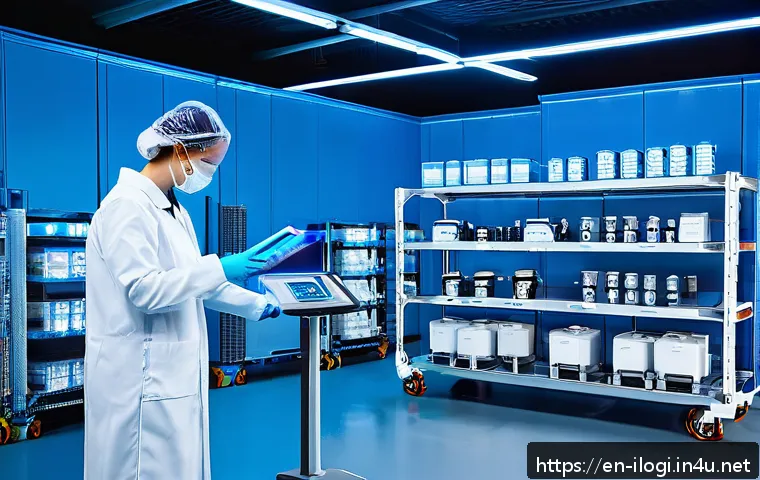
Specialized robotics designed to operate in extreme conditions are opening new frontiers in cold chain logistics, crucial for pharmaceuticals and perishable goods.
Robots equipped with temperature sensors and insulated designs ensure that sensitive products remain within strict temperature ranges throughout storage and transit.
I recently spoke with a logistics manager who highlighted how these technologies have reduced spoilage rates and compliance issues in vaccine distribution.
This trend not only enhances safety but also expands the reach of critical medical supplies to underserved areas.
Human-Centered Design and Ethical Considerations
As robotics become more prevalent, there’s a growing emphasis on human-centered design and ethical deployment. Companies are focusing on creating robots that complement rather than replace human workers, ensuring job quality and safety.
In addition, transparency around data collection and usage by robotic systems is becoming a priority to maintain trust. From my discussions with industry leaders, it’s clear that balancing innovation with social responsibility will shape how robotics integrate into supply chains over the coming decade, fostering sustainable growth and positive societal impact.
Conclusion
Autonomous robotics are fundamentally transforming supply chain operations by enhancing efficiency, accuracy, and responsiveness. From warehouse automation to last-mile delivery, these technologies are driving significant improvements in productivity and customer satisfaction. As AI and robotics continue to evolve, they promise even greater innovation and adaptability in logistics. Embracing these advancements is essential for businesses aiming to stay competitive in today’s fast-paced market.
Useful Information to Know
1. Automated Guided Vehicles (AGVs) operate continuously, reducing labor costs while improving real-time inventory management.
2. Robotic arms provide consistent precision during high-volume packing and sorting, minimizing damage and returns.
3. Autonomous delivery vehicles and drones offer faster, eco-friendly last-mile solutions, addressing urban congestion and remote access challenges.
4. AI-powered demand forecasting helps optimize stock levels, preventing both overstock and shortages effectively.
5. Collaborative robots (cobots) enhance worker safety and flexibility by supporting repetitive tasks, fostering a productive human-robot partnership.
Key Takeaways
Integrating robotics with AI-driven data analytics creates a proactive supply chain environment that anticipates issues before they arise. Security and ethical considerations remain critical to maintaining trust as robotics become more connected and pervasive. Additionally, specialized robotics tailored for sectors like cold chain logistics are expanding operational capabilities. Ultimately, the synergy between human workers and intelligent machines will define the future of efficient and resilient supply chains.
Frequently Asked Questions (FAQ) 📖
Q: How is robotics improving efficiency in warehouse operations?
A: Robotics enhances warehouse efficiency by automating repetitive tasks such as picking, sorting, and packing. Unlike human workers, robots can operate 24/7 without fatigue, drastically reducing errors and speeding up processing times.
From my experience visiting facilities that use automated guided vehicles (AGVs) and robotic arms, the workflow becomes more streamlined, inventory accuracy improves, and overall throughput increases.
This means businesses can handle higher order volumes while lowering labor costs and minimizing delays.
Q: What role do robots play in last-mile delivery, and how reliable are they?
A: Robots are increasingly used for last-mile delivery, especially in urban areas where quick, contactless drop-offs are essential. Delivery drones and autonomous ground vehicles can navigate traffic and reach customers faster than traditional methods in many cases.
From what I’ve seen in pilot programs, these machines are reliable for short-range deliveries and help reduce human exposure during pandemics or busy seasons.
However, challenges like regulatory hurdles and complex environments still require human oversight, so it’s more of a collaboration than full replacement at this stage.
Q: What challenges should businesses expect when integrating robotics into their supply chains?
A: Integrating robotics involves upfront investment, training, and system redesign to fully capitalize on the technology. Companies often face issues like compatibility with existing software, workforce adaptation, and maintenance costs.
Based on conversations with supply chain managers, one common hurdle is balancing automation with human roles to keep operations flexible and responsive.
Additionally, cybersecurity and data privacy become critical as more devices connect online. But with careful planning and gradual implementation, these challenges can be overcome, leading to smarter and more resilient supply networks.